
Foundation installation in Tracy CA - a solid base planned around your lot
Planning a new home or an addition and unsure about a slab or a crawl space? We'll help you choose, then build it.
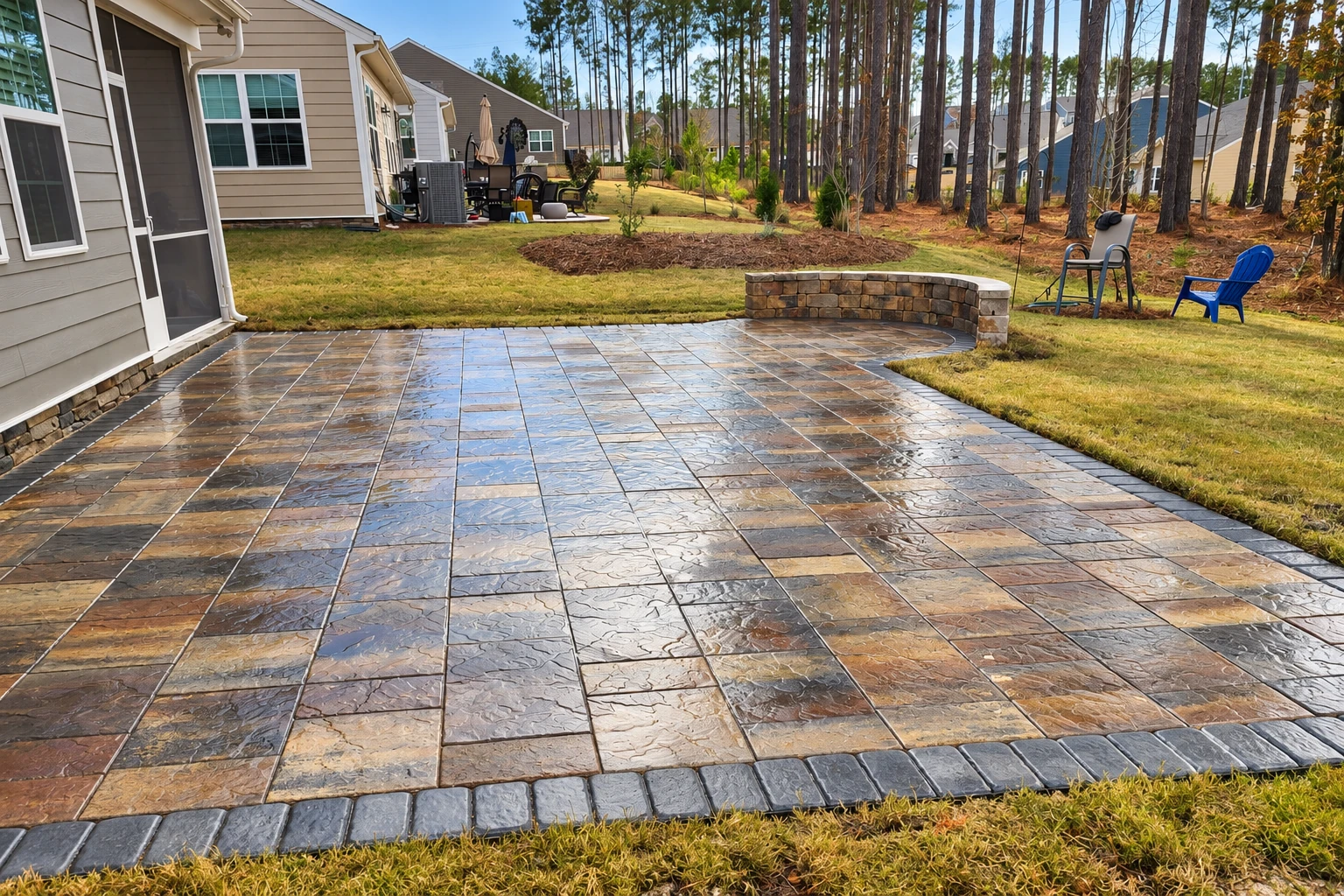
What goes into installing a new foundation in Tracy?
Foundation installation in Tracy, CA puts in the concrete base that a new home or addition sits on. That's usually either a slab, one layer of concrete poured straight onto packed ground, or a crawl space foundation, which lifts the house up off the ground.
Most people who call me about a foundation are planning a new home or an addition, and their first question is usually which type suits the lot. The price moves with the size of the footprint, the type you choose, how much work the ground needs before anything is poured and how easy the site is to reach, while the schedule mostly turns on the permit and the weather. A crawl space house stands on concrete footings, the wide concrete strips poured under its walls, so we plan those as part of the same job, and your written estimate lists each of these parts.
How do you know it's time to plan your foundation?
Foundation work starts long before anyone pours. These are the things owners usually notice on their lot or in their plans that tell me it's time to talk about the base under the house.
You've closed on an empty lot, and the foundation is usually the first big decision after the house plans.
Your plans add a room or a wing, which means that new space needs its own base poured under it.
The ground slopes across the lot, which changes how much digging and forming the base will take.
Water sits in low spots after a rain, a sign that drainage has to be planned before any forms go in.
The dirt cracks open in dry weather and turns sticky when wet, so the ground needs a close look first.
Your designer or builder is asking for foundation details, which usually means the drawings are nearly ready for the city.
Call before your plans are final, because questions about the ground and the type of foundation are much easier to settle on paper than after the forms are set.
What happens after you call us about a foundation?
Here's how a foundation job runs with us, from the first call to the final walk-through, whether your lot is in Tracy or in one of the cities around it, like Manteca, Stockton, Livermore or Dublin.
Call or send the form
Call (209) 237-1118 or use the form, and we'll set a time for me to see the lot. Have the lot address, the type of project and any plans ready, and tell me if you're acting as owner-builder.
I visit and write the estimate
I come out myself to look at the lot, hear what you have in mind and take measurements, and I raise any questions about the ground before a budget is set. Your written estimate lists each part of the job, so you know what you're paying for before we start.
We plan the permit in
If your job needs a permit, we plan it in from the start and take care of the application, which Tracy's Building Safety Division only accepts electronically. Once the city issues a permit, work has to begin within one year, so we set the crew and the pour date with that in mind.
Our crew forms and pours
Our own crew forms, pours and finishes the foundation, and I'm on site overseeing the work. When it's done, I walk the finished job with you before we pack up.
Get a written foundation estimate for your lot
We reply to every message within one business day to set up a visit. I come out, measure and write the estimate part by part, and it's free, done at your property and comes with no obligation.
- Call
- (209) 237-1118
- Hours
- Mon–Fri: 8 AM–11 PM, Sat–Sun: 6 AM–10 PM
Groundwork, steel and the forms that hold it
The ground under a foundation matters more than the concrete on top. We dig out and pack the subgrade, the layer the slab rests on, instead of raking loose dirt level, and we check where the water runs so the ground falls away from the house. That work is buried on the first day, so it's the first thing people want to trim, and it's the last place I'd cut.
Inside the slab, rebar, the steel bars set in the concrete, holds it together if it cracks. On ground that swells and shrinks, the trade group behind post-tensioned slabs calls them a cost-efficient choice for homes, because steel tendons pulled tight after the pour keep the concrete squeezed together against the soil's movement. Your plans set which one your house gets, and we build to them.
On a crawl space job, most of our work goes into the footings and the short walls the house stands on, so the forming takes more care than a single slab pour. Property managers and small builders who bring us a foundation often need paving beside it as well, and we handle concrete parking lot building with the same planning on paper first.
Foundation questions we hear from Tracy owners
How much does a slab foundation cost in Tracy, CA?
A basic slab foundation usually runs about $4,000 to $14,000 per job across the US, so take that as a national starting point and not a Tracy price. The size of the house, the type of foundation and how much the ground needs before the pour move it most, and ground that swells and shrinks can need extra preparation that catches people off guard. That's why I ask about the soil before we set a budget, and your written estimate shows the cost part by part.
What is the best way to choose between a slab and a crawl space for my lot?
Start with the lot and your plans for the house, because the ground and how you'll use the house later usually decide it. A slab is simple, economical and quick to build, while a crawl space leaves room under the floor for pipes and wiring and is often the pick on damp or sloped lots. With a slab, changing plumbing, wiring or heating and cooling later can mean breaking through concrete, which adds labor and cost, so I help you weigh that against the savings up front.
How long does a slab foundation last?
A slab that's built properly and looked after can last 50 to 100 years. Climate, earthquakes and what goes on around the house over the years all affect how long yours goes, which is why we put the effort into the groundwork you'll never see. Our promise on the work itself is satisfaction guaranteed on every job.
Who can get a building permit for a new foundation in Tracy?
The City of Tracy issues permits to the property owner or to a state-licensed contractor who holds a valid City of Tracy Business License. We're licensed and fully insured, and when a job needs a permit, we take care of the application. If you'd rather act as owner-builder, you complete the city's Property Owner Disclosure Form and present it before or when the permit is issued, and I'll explain what else the city will ask of you.
How much can a contractor ask for up front on a home improvement job in California?
On a home improvement project, the state contractors license board says a contractor can't ask for a down payment above $1,000 or 10 percent of the total contract price, whichever is less. The other payments are listed in the contract and based on work completed or materials delivered.
What causes a new concrete slab to crack?
Most early cracks trace back to a base that was raked level instead of dug out and packed, a pour in the midday heat, or control joints cut late or skipped. Control joints are grooves cut into the slab so any crack follows a line we chose, and curing, the days the concrete stays damp and protected before it's used, keeps the top strong. Concrete can still crack, but getting those steps right keeps the cracks small and in the places we planned.
Concrete work that often goes with a foundation
Concrete footings
If you're adding a room, a garage or a crawl space house, the footings under the walls carry the weight, and we plan them with the foundation.
Concrete parking lot building
When a new building needs room for cars, a parking lot poured on a well-packed base holds up to daily traffic instead of sinking and cracking early.
Book a site visit for your foundation
Call (209) 237-1118 any weekday until 11 PM, or use the form, and I'll come look at your lot and talk through a slab or a crawl space with you in person.
Mon–Fri: 8 AM–11 PM, Sat–Sun: 6 AM–10 PM